Floral Rabbit: A Thoughtful Embroidery Design for Real Projects
First Impressions: Soft, Whimsical, and Ready for Stitching
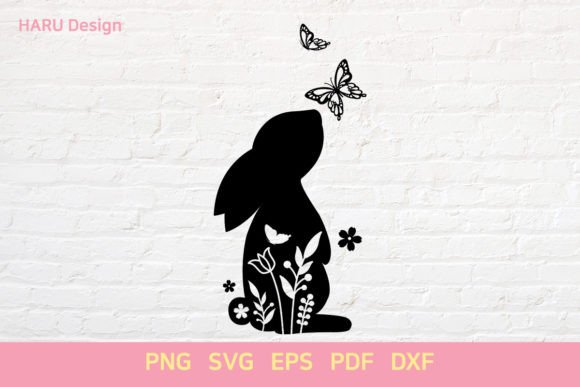
When I opened the Floral Rabbit files, what struck me first wasn’t technical precision—it was mood. This isn’t a bold, graphic statement piece. It’s gentle. The rabbit sits nestled among trailing stems and open blossoms, with subtle curves and organic spacing—not rigid symmetry, but balanced asymmetry. The artboard is 12in×12in, giving breathing room without overwhelming scale. As a designer who regularly translates digital graphics into machine embroidery designs, I immediately saw how this could translate to a finished product: think a linen tea towel for a boutique kitchen line, or the front panel of a baby romper. It feels handmade before it’s even stitched.
A Real Project Test: Embroidering a Linen Tote Bag
Last week, I used Floral Rabbit on a natural linen tote for a local gift shop launch. No flash—just clean cotton-linen blend, medium weight, lightly pre-washed. I chose a soft ecru thread on the rabbit’s body and muted sage greens for the florals. The result? Warm, tactile, quietly elegant. Customers didn’t just notice the design—they paused. One asked if it was hand-embroidered. That’s the quiet power of Floral Rabbit: it reads as intentional, not automated. It works because the shapes are generous enough for satin stitch definition, yet detailed enough (especially the flower centers and leaf veins) to reward close looking—without demanding ultra-fine digitizing.
Where Floral Rabbit Shines in Practice
- Custom apparel: Works beautifully on crewneck sweatshirts—especially left-chest placement—where its vertical flow complements garment drape.
- Baby embroidery: Gentle theme + moderate detail = ideal for onesies and burp cloths. No tiny eyes or fussy outlines that vanish after washing.
- Embroidered patch: Clean outer edges and consistent line weight make it stable for heat-seal or sew-on patches.
- Holiday embroidery: Swap thread colors to dusty rose and evergreen for Easter or spring gifting—no redesign needed.
- Etsy seller & small shop product: Its versatility across tote bags, pillow covers, and aprons means one design asset supports multiple SKUs—and customers recognize the cohesive style across your shop.
Where to Use Floral Rabbit Thoughtfully
This isn’t a one-size-fits-all embroidery file. Its charm depends on context. On thin fabrics like lightweight cotton voile, I’d reduce fill stitch density or add a tear-away + cut-away stabilizer combo—some petals have delicate interior contours that can pucker if unsupported. On stretchy knits (think t-shirts), avoid placing it over high-movement seams; the floral stems read best when fabric lies flat. For caps or curved surfaces, test hoop placement first—the rabbit’s ears extend slightly upward, so center-hooping may require repositioning to keep proportions intact.
Dark fabric? Yes—but check contrast in your PDF mockup first. The design relies on shape and texture more than stark outlines, so black thread on charcoal denim reads softly, not sharply. If you’re aiming for boldness, consider adding a narrow running stitch outline in a contrasting color during digitizing.
What Floral Rabbit Adds to Your Finished Product
It elevates perceived value—not through complexity, but through harmony. A customer buying a personalized gift doesn’t just want “a rabbit.” They want *this* rabbit: tender, botanical, unhurried. That emotional resonance builds trust. For craft businesses, it reinforces brand consistency—imagine using Floral Rabbit across embroidered kitchen towels, baby blankets, and holiday cards. All feel like part of the same thoughtful universe. And for Etsy sellers? Its gentle aesthetic stands out amid oversaturated trends—no clipart energy, no forced cuteness. Just quiet confidence.
Practical Designer Notes Before You Stitch
Before committing to a client project or bulk run:
- Test the design on scrap fabric matching your final material—linen behaves differently than cotton twill, and thread tension shifts accordingly.
- Review stitch density in the fill areas—especially behind the rabbit’s ear and inside larger blooms. Overly dense fills can stiffen lightweight fabrics.
- Confirm hoop size compatibility. At 12in×12in, it fits standard 5×7 hoops only if scaled down—so check whether your intended use requires resizing before digitizing.
- Inspect small details in both black-and-white and color mockups. Does the stem curl still read clearly at 3.5 inches wide? Does the flower center hold up on dark fabric?
- Use proper stabilizer—not just for hold, but for surface texture. A light tear-away keeps the floral lines crisp on smooth cotton; a medium cut-away adds resilience for frequent-wash items like baby clothes.
- Verify licensing terms before selling finished products or bundling Floral Rabbit into digital embroidery kits—this is a Graphics asset, not an automatically commercial-use embroidery file.
Final Thought: A Design That Serves the Maker and the Market
Floral Rabbit isn’t flashy—but then, the most reliable tools rarely are. As a Crafts-focused embroidery file, it bridges digital convenience and handmade warmth. It invites customization (swap thread palettes, layer with monograms, pair with simple border stitches), yet holds its own as a standalone motif. Whether you're stitching a single holiday gift or building a cohesive line for your small shop, this design earns its place—not because it’s trendy, but because it’s *considered*. It knows where it belongs: on things people touch, keep, and pass on. And in today’s market, that kind of quiet intentionality? That’s the real stitch that holds.